Premenstrual Dysphoric Disorder (PMDD) affects an estimated 3–8% of women. Unlike typical PMS, PMDD involves severe mood shifts, irritability, depression, and anxiety that can disrupt daily life, relationships, and work. Many individuals living with PMDD describe feeling like “a different person” for part of the month, struggling to maintain a sense of stability and well-being.
Recent research has also highlighted that women with ADHD are more likely to experience PMDD—with some studies suggesting as many as 46% of women with ADHD also meet criteria for PMDD. This overlap underscores the importance of integrative, personalized approaches to care.
What Is PMDD?
PMDD is a hormone-based mood disorder linked to the menstrual cycle, usually appearing in the luteal phase (the week or two before menstruation). Common symptoms include:
- Intense mood swings, rage, or irritability
- Feelings of hopelessness or depression
- Suicidal thoughts or feelings of deep despair
- Difficulty concentrating or brain fog
- Fatigue or sleep disturbances
- Physical symptoms such as bloating, headaches, or breast tenderness
Because PMDD affects mental, emotional, and physical health, many people find the best results with personalized integrative care. Unfortunately, women are often misdiagnosed for years with depression, anxiety, or even bipolar disorder, since these conditions can present with similar symptoms. With focused attention to detail and the support of an expert clinician who takes the time to understand your unique cycle patterns, the right diagnosis and treatment plan can make all the difference—and can truly be life changing.
PMDD vs PMS: Why the Difference Matters
While PMS may involve moodiness or mild discomfort, PMDD symptoms are far more severe and disruptive. PMDD interferes with daily functioning, relationships, and sometimes includes suicidal ideation—something that is not typical of PMS. Recognizing the difference is key to seeking the right treatment.
ADHD and PMDD: The Overlap
Studies show that nearly half of women with ADHD also experience PMDD. Both conditions impact emotional regulation, concentration, and energy. This overlap can intensify symptoms and make it harder to find balance without a tailored approach. An integrative therapy model helps by addressing both attention challenges and hormone-related mood changes.
How Integrative Nature Therapy Can Help With PMDD
Integrative nature therapy combines evidence-based mental health approaches with the healing benefits of nature. Whether sessions take place outdoors or virtually with guided nature-based practices, this therapeutic style supports mind–body balance.
Ways nature therapy can help with PMDD:
- Stress regulation: Time in natural settings lowers cortisol, eases nervous system activation, and helps regulate mood swings.
- Grounding practices: Simple mindfulness in nature—listening to birdsong, feeling the earth beneath your feet, or practicing breathwork outdoors—helps reduce overwhelm.
- Emotional release: Nature provides a safe, nonjudgmental space to process intense emotions like rage, sadness, or grief.
- Connection: Both in-person and online sessions integrate metaphors from the natural world, helping clients reframe cycles, transitions, and inner experiences.
When used alongside other supports such as medication management, nutrition, or lifestyle adjustments, integrative nature therapy becomes part of a holistic PMDD care plan.
Natural Ways to Manage PMDD Symptoms
In addition to therapy, many people find relief by incorporating holistic and lifestyle practices such as:
- Cycle syncing (adjusting activity and nutrition to your cycle phases)
- Anti-inflammatory foods and hydration
- Gentle movement like yoga, walking, or stretching outdoors
- Journaling or creative expression during the luteal phase
- Mindfulness and relaxation techniques in natural settings
Cycle Syncing and PMDD
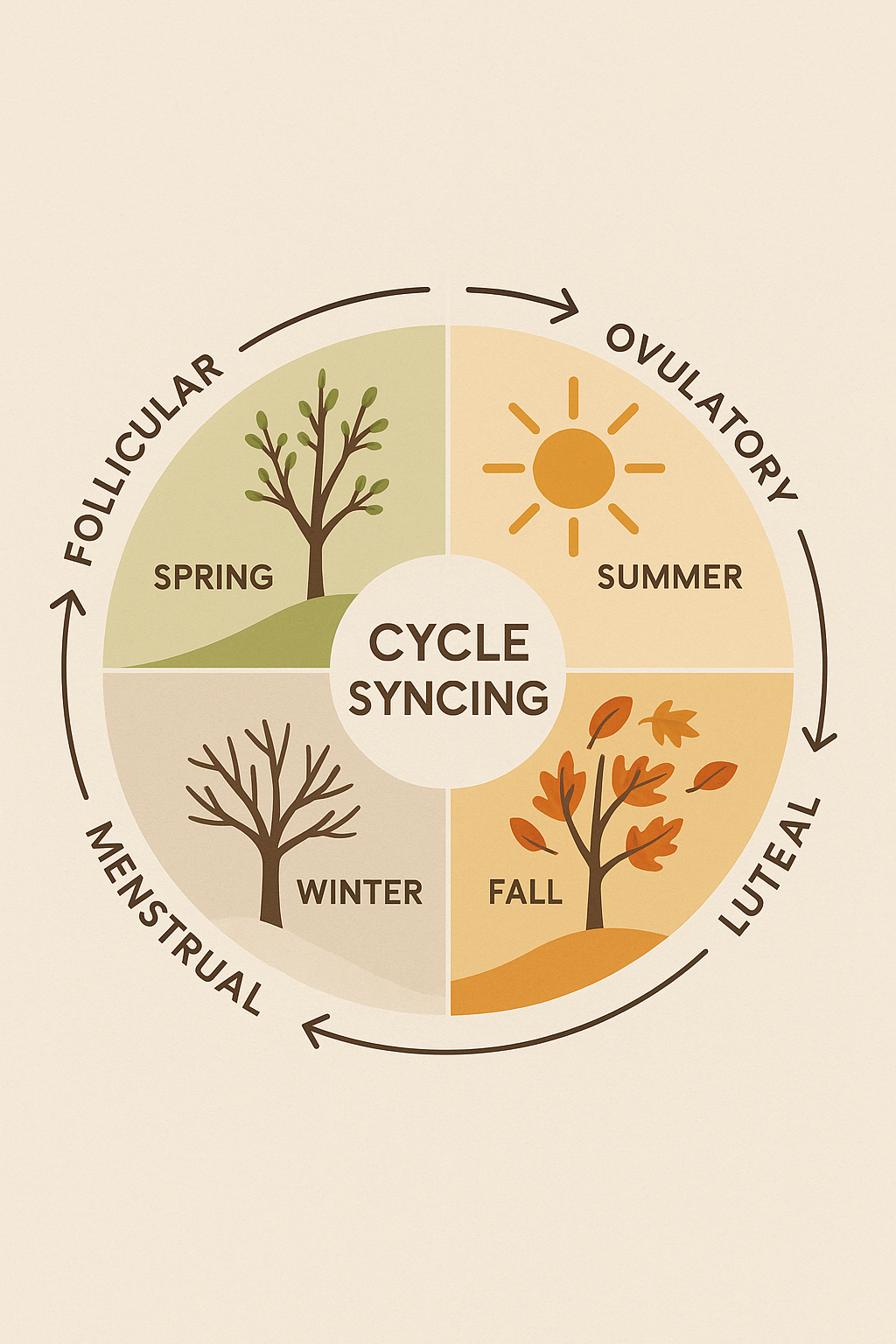
Another powerful tool in managing PMDD is cycle syncing—aligning daily routines, nutrition, and self-care practices with the phases of the menstrual cycle. For those with PMDD, awareness of the luteal phase can help with proactive strategies, such as:
- Follicular/ovulatory phases: Leveraging higher energy for exercise, creativity, and social activities.
- Luteal phase: Prioritizing rest, boundary setting, calming nature practices, and supportive nutrition.
- Menstrual phase: Honoring the body’s need for release, reflection, and gentleness.
By syncing routines with cycle phases, individuals can work with their bodies instead of feeling caught off guard by shifting symptoms.
Moving Forward
Living with PMDD can feel isolating, but integrative approaches like nature therapy and cycle syncing offer pathways toward balance. Whether you explore guided practices outdoors or join therapy sessions online, connecting with nature can be a powerful ally in easing PMDD’s emotional intensity.
If you’re struggling with PMDD, ADHD, or cycle-related mood changes, know that you don’t have to face it alone. Integrative therapy can help you feel grounded, supported, and more in rhythm with your body.
👉 Ready to explore integrative support for PMDD? Request your free consultation here.
If You’re in Crisis
If you are experiencing suicidal thoughts, please know you are not alone. Call or text 988 in the U.S. to connect with the Suicide & Crisis Lifeline, or reach out to your local emergency number if outside the U.S. Immediate support is available 24/7.