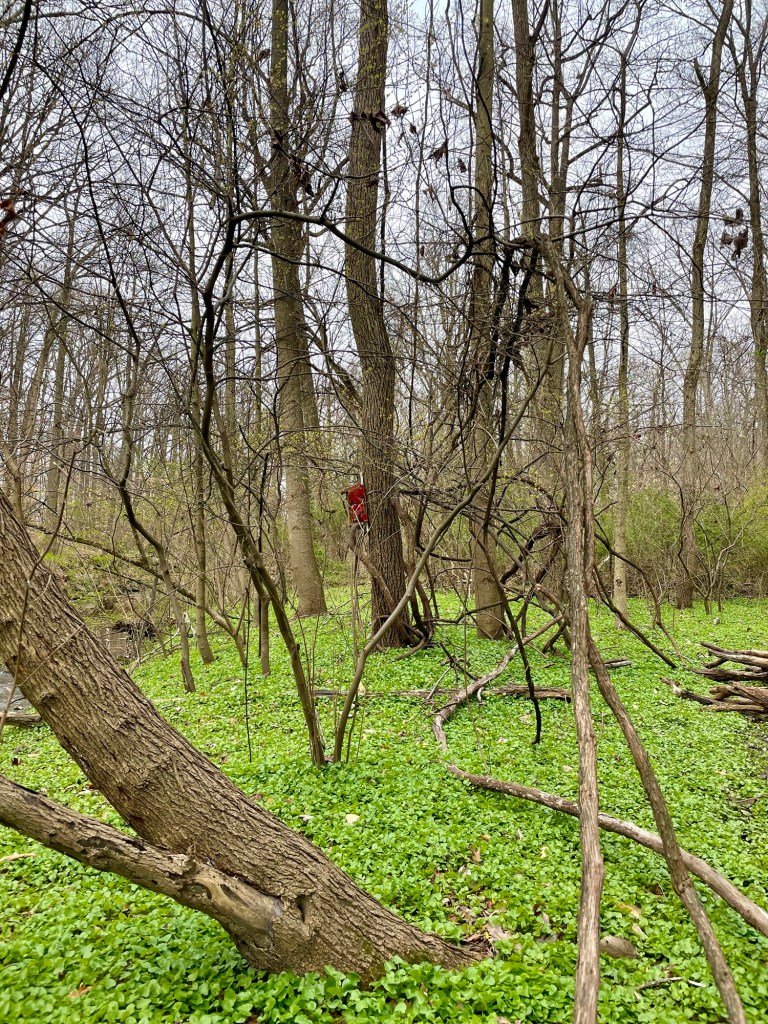
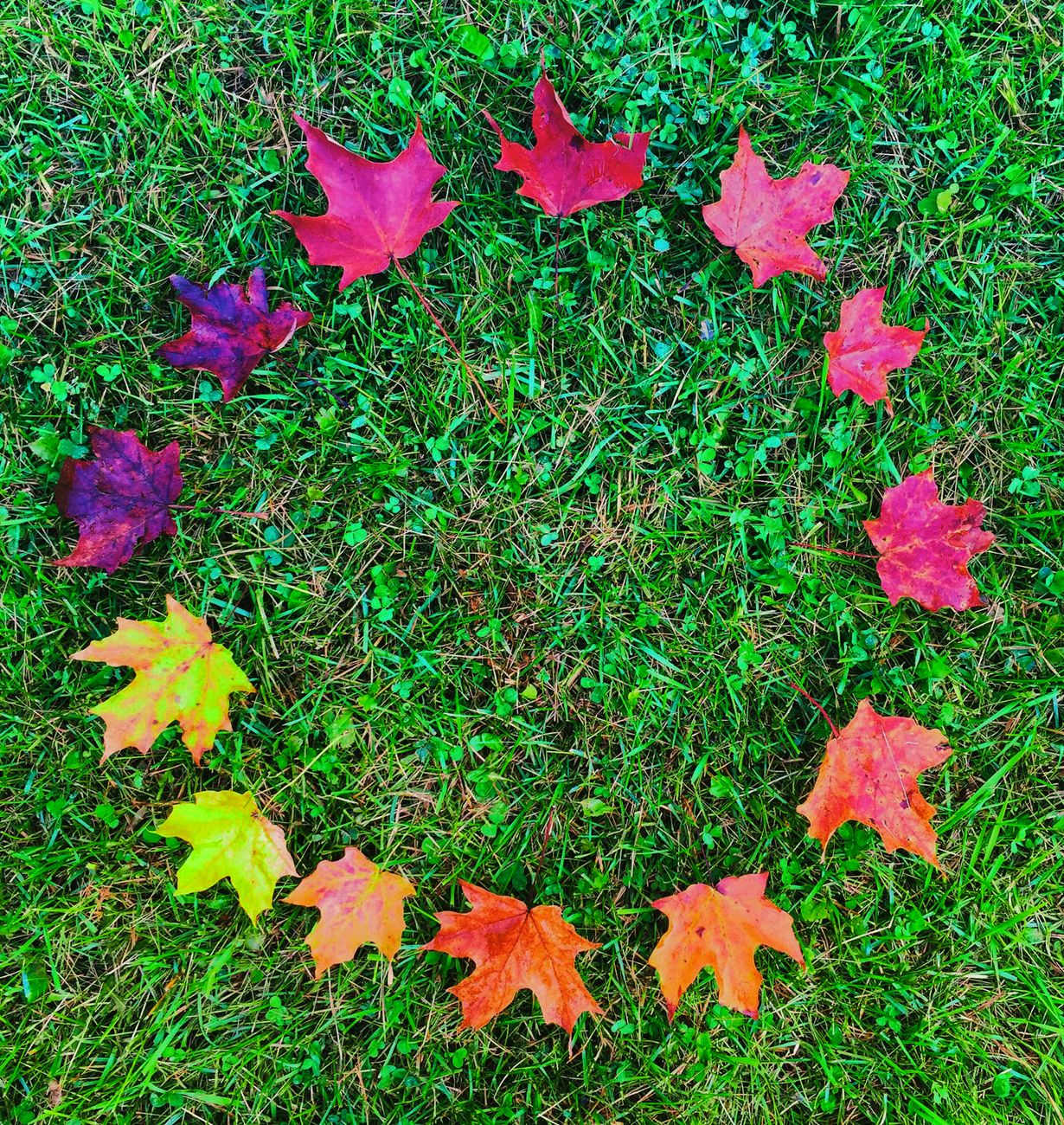
Fall here in Maryland can be beautiful.
The leaves begin to change. The air gets cooler. The humidity finally breaks. There is something about those first crisp mornings that can make you want to slow down and settle in.
But then the days keep getting shorter.
The sun sets earlier. Outdoor time can feel harder to fit into the family schedule. School, sports, work, and activities continue, even as daylight disappears. By January, you may find yourself feeling more tired, less motivated, more irritable, or simply ready to hibernate.
If you’re a parent in Baltimore, Maryland, you may be especially familiar with this specific seasonal shift.
And while some seasonal changes are a completely normal part of living somewhere with changing daylight and weather, for some people the shift can have a significant impact on mental health.
What is seasonal affective disorder?
Seasonal affective disorder, or SAD, is a form of depression that follows a recurring seasonal pattern. Most commonly, symptoms begin in the late fall or early winter and improve during the spring and summer. A less common pattern occurs during the spring and summer months. In the DSM-5-TR (the diagnostic manual for mental health), seasonal pattern is a specifier applied to certain mood disorders rather than a standalone diagnosis.
SAD is more than simply disliking winter or feeling a little gloomy when the days get shorter.
Symptoms can include:
- Persistent sadness or low mood
- Irritability or frustration
- Loss of interest or pleasure
- Low energy or fatigue
- Difficulty concentrating
- Changes in sleep
- Changes in appetite
- Social withdrawal
- Feelings of hopelessness or worthlessness
Winter-pattern SAD can also involve oversleeping, increased appetite, carbohydrate cravings, and a feeling of wanting to withdraw or “hibernate.”
About 5% of adults in the United States experience SAD each year, while many more people notice milder seasonal changes in mood, energy, sleep, or motivation.
You don’t have to meet criteria for seasonal affective disorder for the changing seasons to affect how you feel.
The winter blues aren’t necessarily depression
There is a wide range between feeling completely unaffected by the changing seasons and experiencing a major depressive episode.
Maybe you notice that your energy dips when the days get shorter.
Maybe you’re more likely to stay inside after work instead of going for a walk.
Maybe your children are spending less time outdoors, and everyone seems a little more restless by the end of the day.
Maybe you find yourself thinking, I just don’t have the same energy I did in September.
These experiences don’t necessarily mean you have seasonal affective disorder.
But they can be useful information.
Rather than waiting until you feel completely depleted, seasonal transitions can offer an opportunity to check in with yourself and make some intentional adjustments.
Why seasonal changes can be especially noticeable as a parent
Parenthood already comes with constantly changing routines.
Then the seasons change, too.
In Baltimore, the transition from summer into fall can mean earlier sunsets, cooler temperatures, changing school schedules, sports and activities, and less spontaneous outdoor time.
By winter, daylight can become even harder to access during the hours when parents are actually free.
You might leave for work before the sun is fully up and return home after it has already set.
If you work from home, you may realize that you spent the entire day indoors.
If you have young children, getting outside may require significantly more planning once it’s cold or dark.
And when you’re already tired, planning can feel like one more thing on the list.
This is one reason I like thinking about seasonal wellness as something we can prepare for rather than something we simply endure.
5 ways to support your mental health through seasonal change
1. Get outside early in the day
As the days get shorter, it can be helpful to be intentional about getting outside during daylight hours. Natural light is one of the many ways our environment interacts with our mental and physical well-being, and even a few minutes outdoors can offer a meaningful change of pace.
When possible, try getting outside within the first couple of hours after waking. You might take your coffee onto the porch, walk the dog, stand outside while your kids play, or take a short walk before starting your day. You don’t need a perfect 20-minute walk or a beautifully sunny morning. A few minutes of daylight can be a simple way to reconnect with the season and give yourself some outdoor time.
If you’re experiencing more significant or persistent changes in mood, energy, sleep, or functioning, it’s worth talking with a healthcare professional about what support might be helpful. For people experiencing winter-pattern SAD, light therapy is one evidence-based option, alongside treatments such as psychotherapy and medication. When it comes to supporting your mental health, there is a menu of options available and many complement one another. Creating regular opportunities for daylight, movement, time outdoors, connection, and restoration can also be part of caring for yourself through seasonal change.
2. Make outdoor time easier, not more ambitious
When you’re parenting, “get outside more” can sound deceptively simple.
But getting two children dressed, finding everyone’s shoes, packing snacks, and convincing someone that 42 degrees is actually survivable can turn a five-minute walk into a logistical operation.
So lower the bar.
Try:
- Ten minutes in the backyard
- A walk around the neighborhood after dinner
- Taking homework or a snack outside
- Walking to a nearby playground
- Exploring fallen leaves together
- Looking for birds
- Having a weekend morning nature ritual
- Taking a thermos of something warm on a family walk
The goal isn’t to create another parenting obligation.
It’s to find small, repeatable ways to stay connected to the outdoors.
3. Let your children help you notice the season
One of my favorite things about spending time outside with children is how easily they notice things adults overlook.
A tiny mushroom.
A bird call.
A particularly interesting stick.
A leaf with an unusual shape.
The first frost.
The moon appearing before bedtime.
Children can be wonderful guides back into sensory awareness and curiosity.
Instead of trying to make outdoor time educational or productive, try simply noticing together.
Ask:
What do you see?
What do you hear?
What feels different today?
What’s one thing you didn’t notice yesterday?
This kind of sensory attention can turn an ordinary walk into an opportunity for mindfulness, connection, and curiosity.
4. Protect the routines that help you feel like yourself
Seasonal changes can make it easy for healthy routines to quietly disappear.
Maybe your summer walks stop.
Your social plans decrease.
Your exercise routine becomes inconsistent.
You spend less time outside.
None of these things necessarily feels significant on its own. But over time, the cumulative effect can be noticeable.
Instead of trying to overhaul your entire routine, identify two or three things that reliably support your mental health.
Maybe it’s:
- Moving your body three times a week
- Seeing a friend regularly
- Getting outside every morning
- Maintaining a consistent sleep schedule
- Having one evening each week that isn’t devoted to errands
- Scheduling something you genuinely enjoy
Think of these as anchors.
You don’t need to do everything. You just need a few things that help you stay connected to yourself while the season changes around you.
Research on lifestyle interventions specifically for SAD is still limited. A 2024 systematic review found only six relevant randomized controlled trials and concluded that the evidence was very uncertain. That doesn’t mean these practices aren’t worthwhile. Rather, they can be understood as supportive ways to care for your overall well-being and mental health as the seasons change, alongside other forms of support when needed.
5. Notice patterns before they become problems
If you find yourself feeling significantly different every fall or winter, pay attention.
When did it start?
What changed?
How long does it last?
What happens to your sleep, energy, appetite, motivation, relationships, and ability to function?
If you notice a recurring pattern that interferes with your life, it may be worth talking with a healthcare professional or mental health provider.
SAD is characterized by a recurring seasonal pattern of depressive symptoms, with the seasonal episodes generally recurring for at least two consecutive years.
Treatment can include psychotherapy, light therapy, and antidepressant medication, depending on the individual and the pattern of symptoms.
You don’t have to wait until things feel unbearable to ask for help.
What about nature therapy?
There is an important distinction between spending time in nature to support your overall well-being and using outdoor time as a stand-alone treatment for a mental health condition.
Time in nature can be a meaningful part of caring for your mental health, while additional support may be helpful when seasonal changes in mood become more significant or persistent.
At the same time, spending time outdoors can create opportunities for movement, natural light, sensory engagement, social connection, and a break from the environments where we spend most of our time.
For some people, that shift in setting can be meaningful.
As a nature-informed perinatal mental health therapist in Maryland, I incorporate nature into evidence-based mental health care through walk-and-talk therapy and other nature-based practices.
For parents who are already spending much of their day caring for everyone else, there can be something powerful about having space to slow down, move your body, notice your surroundings, and talk about what is actually going on.
Sometimes a change in scenery can help create a little more room to think.
Seasonal mental health support for parents in Baltimore, Maryland
If you’re a parent in Baltimore, Towson, Timonium, Parkville, White Marsh, Perry Hall, or surrounding Maryland communities, seasonal changes may look different from year to year.
Some winters are mild. Some are gray and wet. Some bring snow and the logistical challenge of getting everyone out the door.
But the broader rhythm remains: less daylight, changing temperatures, changing routines, and a natural pull toward spending more time indoors.
You don’t have to fight that transition.
You can notice it.
You can prepare for it.
You can find ways to stay connected to light, movement, nature, other people, and yourself.
And if the seasonal shift is affecting your mental health in a significant way, you can ask for help.
A final thought for parents
Here in Maryland, one season doesn’t simply turn off while another turns on.
You notice a cooler morning.
A few changing leaves.
An earlier sunset.
Then another.
Fall arrives while summer is still lingering.
Parenthood can be like that, too.
We don’t have everything figured out before the next season begins.
We transition.
We notice what is changing.
We adjust.
And we figure things out as we go.
You don’t have to wait until winter is here to start caring for yourself.
Start noticing now.
Looking for mental health support in Maryland?
I’m Lauren Bathgate, LCSW-C, PMH-C, CNIT, a nature-informed perinatal mental health therapist and founder of Guided in Nature.
I provide evidence-based mental health therapy virtually throughout Maryland and through walk-and-talk sessions in natural settings in the Baltimore area. I work with parents and professionals experiencing anxiety, depression, burnout, pregnancy and postpartum concerns, relationship changes, parenting challenges, and other life transitions including healing from grief and trauma.
If you’re noticing that seasonal changes are affecting your mood, energy, relationships, or ability to function, therapy can be a place to slow down, make sense of what you’re experiencing, and find a path forward.
References
American Psychiatric Association. (n.d.). Seasonal affective disorder (SAD). https://www.psychiatry.org/Patients-Families/Seasonal-Affective-Disorder
National Institute of Mental Health. (n.d.). Seasonal affective disorder. National Institutes of Health. https://www.nimh.nih.gov/health/publications/seasonal-affective-disorder
Rothenberg, M., Nussbaumer-Streit, B., Pjrek, E., & Winkler, D. (2024). Lifestyle modification as intervention for seasonal affective disorder: A systematic review. Journal of Psychiatric Research, 174, 209–219. https://doi.org/10.1016/j.jpsychires.2024.03.053