
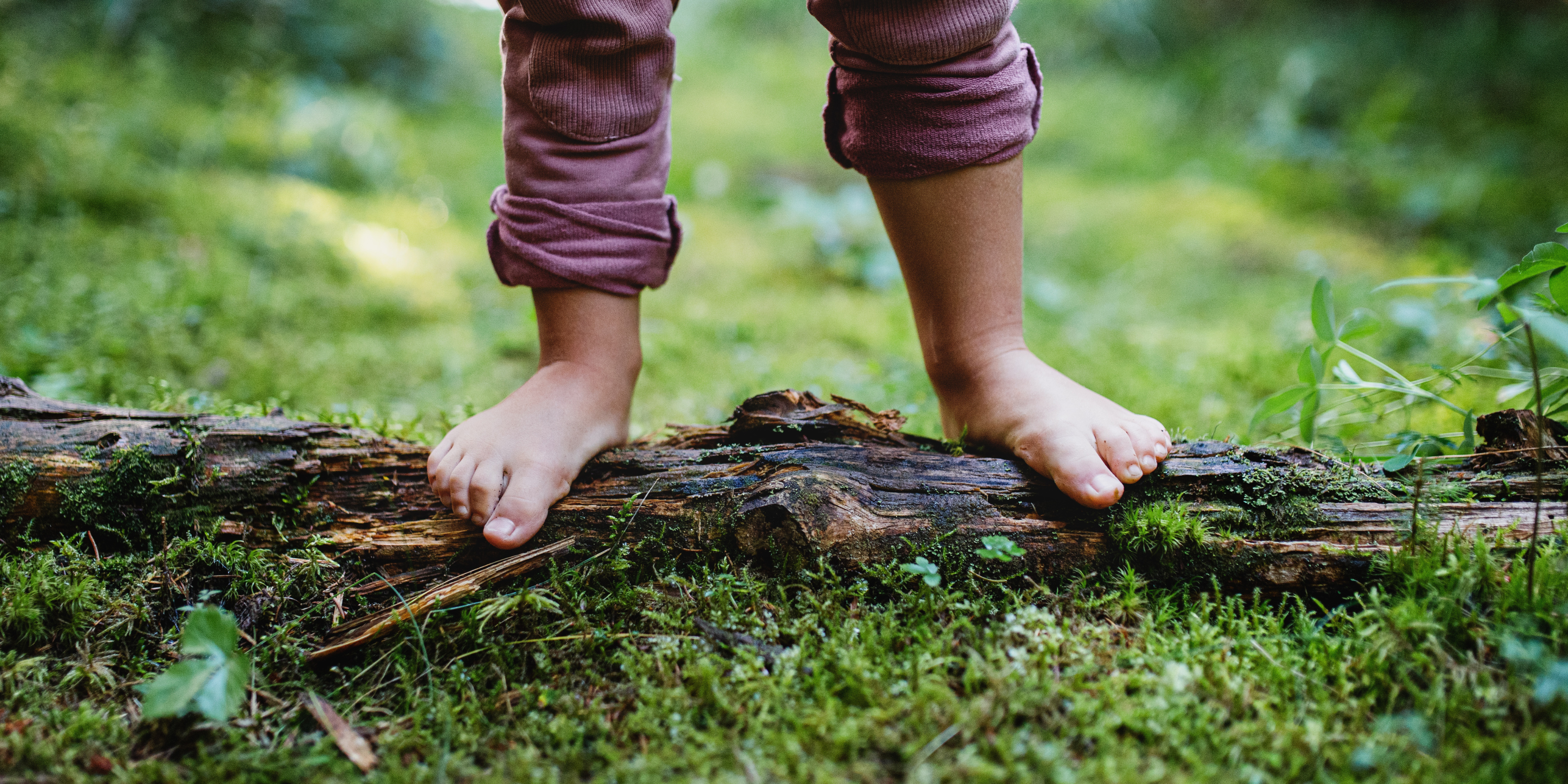
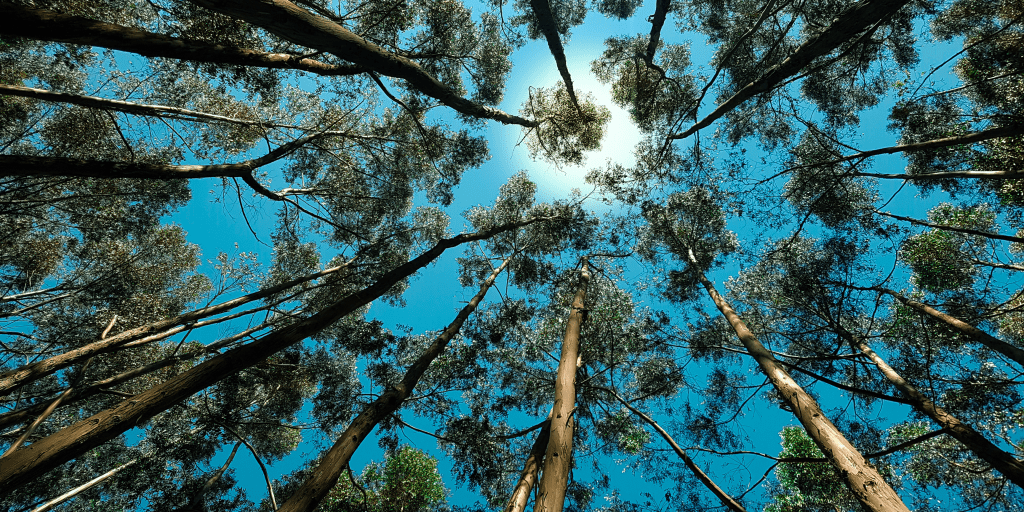
Before we dive into the reasons you may want to try it, what exactly is nature informed therapy? Nature informed therapy, or nature therapy, is mental health therapy that occurs in the natural world. Goodbye office walls or telehealth video screens, and hello trees or streams! This type of therapy is unique in that nature acts as a co-therapist and can enhance the therapeutic effects of your treatment. One of the proven, tangible ways this occurs is by offering exposure to phytoncides available from greenery such as Cedar, Pine, Douglas Fir and Spruce trees. Phytoncides are airborne chemicals that plants give off to protect against insects. Just breathing in one of these trees has the potential to increase our natural killer cells, which are key in our immune response.

If forests aren’t quite your scenery of choice, how about a trip to the beach? For a moment, close your eyes and imagine you’re at the beach listening to the sound of the waves ebbing and flowing. Do you feel a bit at ease, even when just imagining this setting? Many of us have heard or made lighthearted jokes about “beach therapy.” Not surprisingly, nature really does support our nervous systems and it is demonstrated in our common responses to natural elements such as water or wind, and fascination with fellow living beings such as birds.

Now that we’ve familiarized with what nature therapy is and reviewed a couple of the tangible benefits, here’s a list of the top 10 reasons to give it a try:
- Built in nervous system regulation is offered by the other life forms (e.g.-plants, animals) in the surrounding area. Because we co-evolved with these other life forms, we are all the more supported by being in their presence.
- For those who have been in therapy for a while or who are looking for a different approach, nature can enhance therapeutic results. There are many opportunities for “real world” exposure in nature to help with matters such as distress tolerance, perspective taking, emotional regulation, and the like, that differ vastly from experiences available in other settings.
- Attention restoration–reduce screen time and reconnect…be “bored”! We can all benefit from decreasing overstimulation so prevalent in our modern world. If you experience fatigue and difficulty with concentration, time spent in nature can facilitate improved concentration, fatigue recovery, interest, and a sense of reflection and restoration.
- Fits with our evolutionary wiring to explore, interact, and be fascinated with other life forms, known as biophilia.
- Vitamin D through exposure to sunlight.
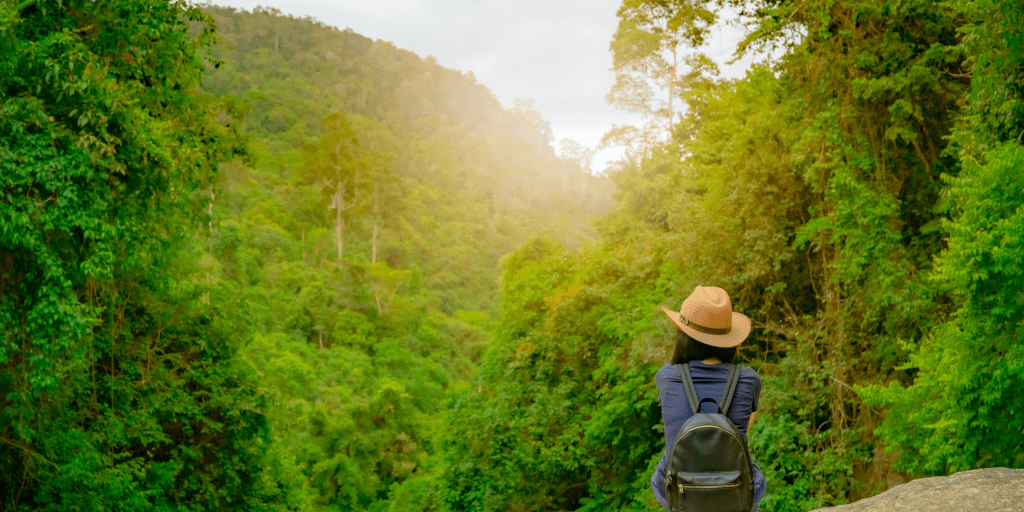
- Walk and talk sessions or sessions held in outdoor spaces may feel more comfortable. Connecting with others in nature often feels more approachable and relaxed. In walking sessions, for example, the client and therapist are generally walking side by side rather than facing one another.
- Physical movement helps with supporting the mind/body connection, something that has become particularly challenging in our modern society where there are so many different things vying for our attention. Nature therapy can allow for more presence of mind and body in the space where you are.
- More than one therapist. Really–nature is considered the co-therapist in nature therapy sessions because nature can serve as a teacher, has many healing properties all on its own, and offers unique metaphors and perspectives not otherwise available.
- Good for your senses. You may have heard of “five senses” or grounding exercises in which you’re encouraged to attend to all five senses in various ways as a means of being present. Considering just a few of our senses, nature has something to add to each:
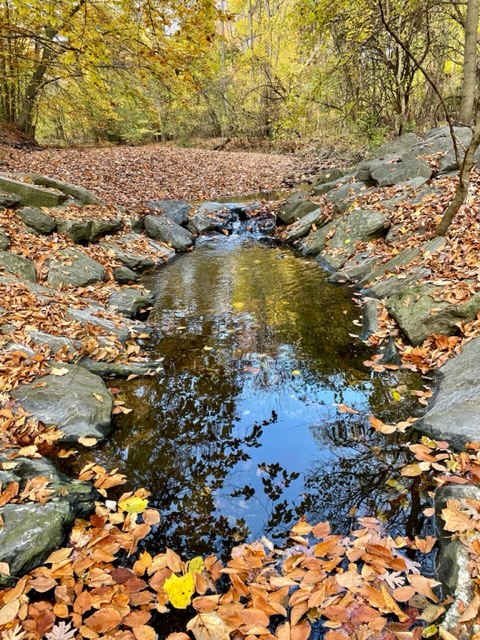
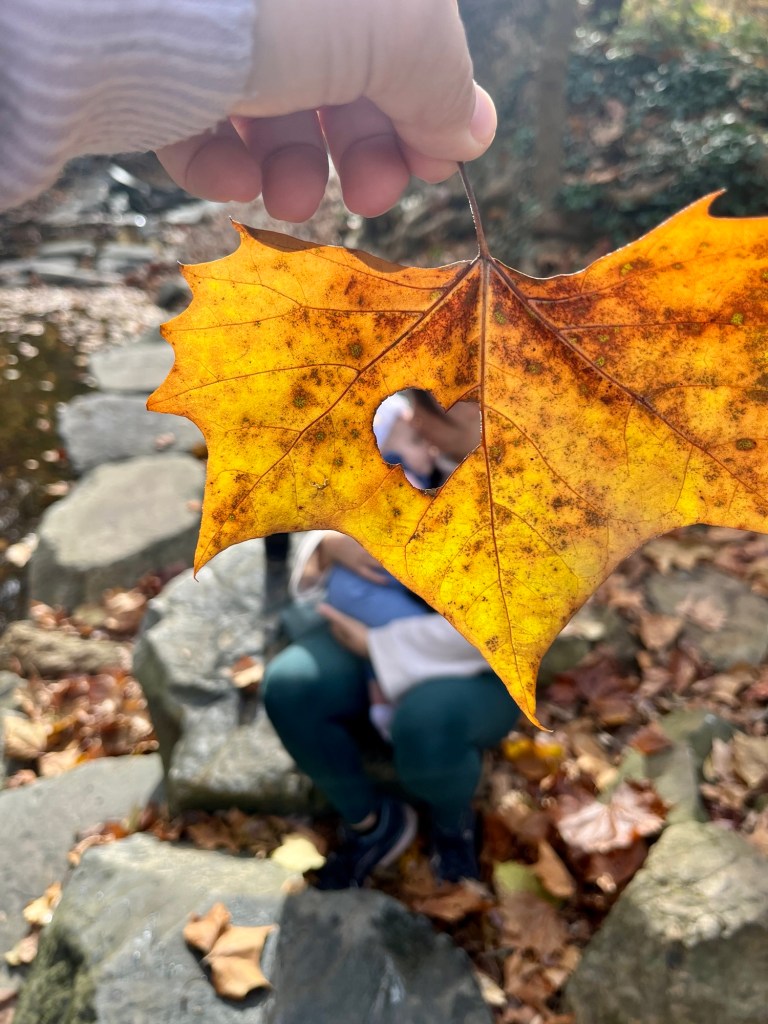
- Sight: The color green is right in the center of the spectrum of primary colors of visible light. This wavelength is prime for our perception and offers the least strain on our eyes. We are also hardwired to respond to certain forms of fractals, or patterns, in nature such as the fern. Exposure to these patterns can reduce stress levels up to 60%. It’s no coincidence that we experience a calming effect in nature.
- Smell: Imagine smelling a pine tree or a campfire. Notice what it evokes for you. The sense of smell goes straight to the limbic system of our brains (a key area related to emotion and memory). That’s how powerful it is!
- Hearing: Sounds such as water, wind, or birds activate our parasympathetic (calming) response.
- Touch: Earthing offers an ionic exchange between us and the earth. This is partly why touching the earth with bare feet can have a profound grounding effect.
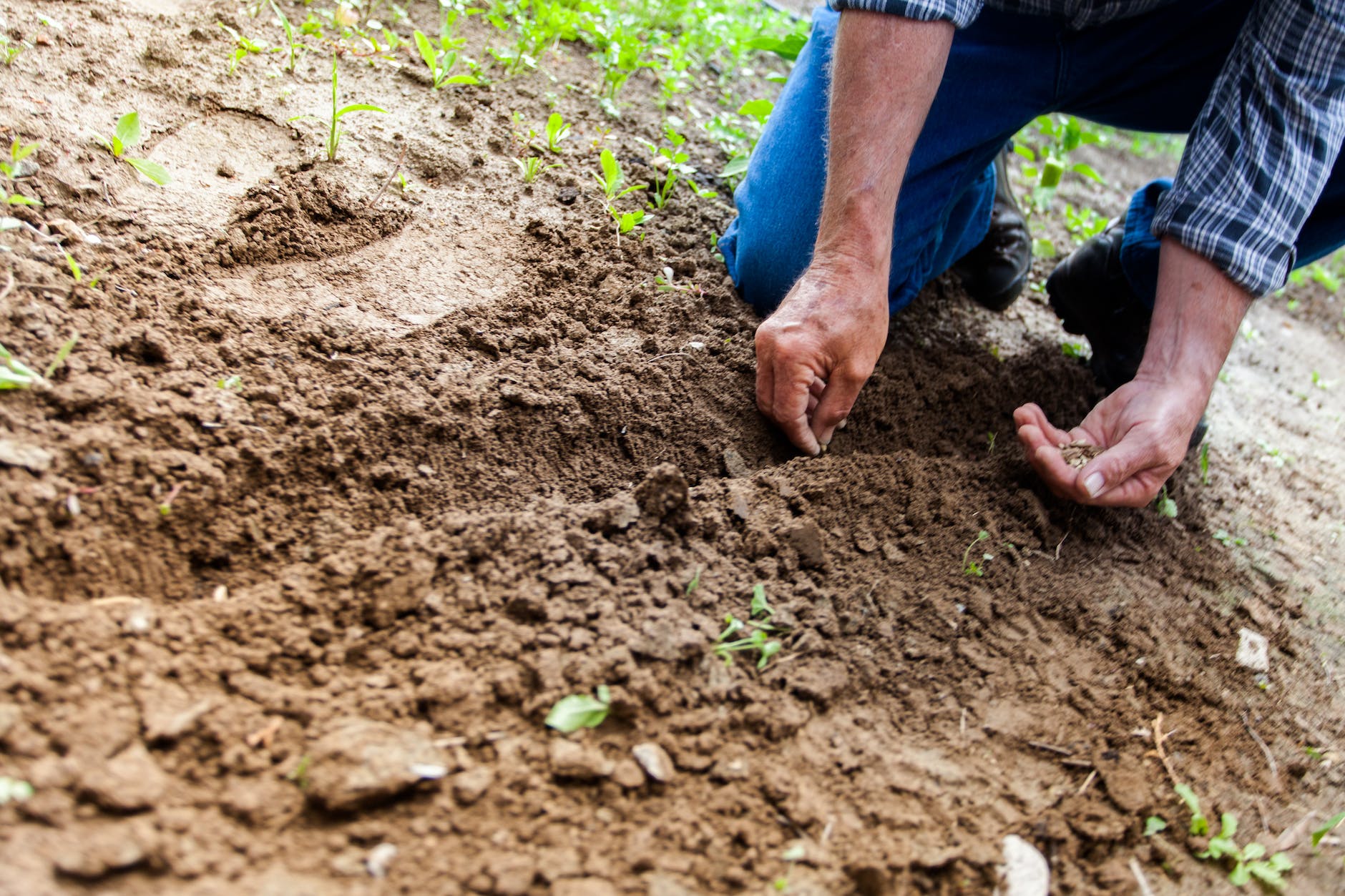
- Taste: Nature offers an array of flavors and micronutrients to savor. There is something about eating food right from the source, such as growing your own fruits or veggies!
- Good for the earth. Participating in nature therapy is an additional way we can give back to the earth that sustains us. Nature is filled with reminders of the importance of reciprocity, and the vast opportunities to foster mutual sustainment.







One response to “Top 10 Reasons to Try Nature Therapy”
So much useful information here!
It’s pretty amazing that my happiest place to be is also the most beneficial to my mental health!
I appreciate you sharing your valuable insights!