I want to commence this blog post with an emphatic proclamation: “THERAPY ROCKS!” It comes as no surprise that, as a mental health therapist, I wholeheartedly endorse it. Unapologetically, I often refer to myself as a cheerleader for therapy. I believe that everyone can find some degree of benefit from engaging in therapy and therapeutic activities. I also empathize with the struggles some individuals face when identifying the most suitable therapeutic approach and finding a compatible provider. This challenge can be particularly daunting, especially when someone is already navigating hardships.

In passing, when people discover that I am a therapist, I am occasionally asked, “Is it normal to feel (insert concern)?” My typical response to this is, “It depends.” As a clinical social worker, my training has led me to adopt a Person in Environment perspective. This means that I place significant emphasis on understanding the individual or family’s immediate context, as well as the broader community and world factors. What might be considered “normal” for one person could be perceived differently for another. Personally, I prefer the term “natural” because it carries less judgment and offers more validation. In essence, it is natural to experience emotions that align with the present context and circumstances. In my view, the decision to pursue therapy is not about conforming to a definition of “normalcy,” but rather about having a secure space to navigate the innate challenges of life.
Through this post, I aim to present a few examples of these inherent challenges, along with ways in which nature therapy, in particular, can be efficacious:
- You’re experiencing heightened stress and struggling with…
- finding or engaging in healthy coping mechanisms
- communication within significant relationships
- understanding, expressing, and regulating emotions
- You’re undergoing a significant life change or grappling with a major decision and require support in…
- evaluating your values and processing thoughts and emotions
- adapting to changes and considering alternate perspectives
- You’ve encountered loss and need assistance in the grieving process…
- whether due to the passing of a loved one
- the end of a relationship
- other types of loss, often termed “ambiguous loss,” such as chronic illness in a loved one, homesickness (e.g., related to immigration), or infertility, among others
The examples above aim to provide a general understanding of the natural challenges that individuals, couples, or families might bring to therapy. As you read each instance, it’s likely that either you or someone you know is presently experiencing or has previously experienced something akin. When viewed through the lens of “natural challenges,” it becomes evident that these circumstances can induce distress. While suffering is an integral part of the human experience, it doesn’t necessitate solitude. In fact, our biological makeup encourages connection, making seeking support within a community (whether through one-on-one therapy, group therapy, or other therapeutic avenues) a sensible choice.

If these examples resonate with your current experiences or recent past, you might be curious about the role of nature in this process. I’m delighted you’re interested! Let’s delve into the three general examples once more:
- Experiencing stress and difficulties across various domains:
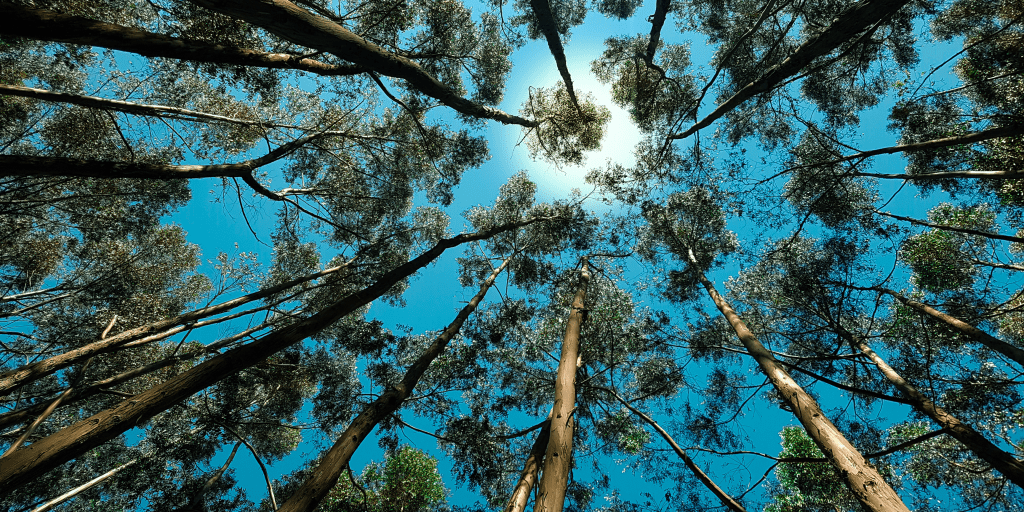
Nature therapy offers unique healing properties that aren’t available elsewhere. Nature’s calming influence can profoundly restore our nervous system, especially during stressful times. Envision addressing stressors and identifying coping strategies with nature as a supplementary co-therapist. Picture walking on a tranquil beach or through a serene woodland while concurrently working on therapeutic goals. This approach aligns with holistic well-being encompassing mind, body, and spirit. - Navigating significant life changes or major decisions:
In this scenario, nature provides a plethora of metaphors and literal pathways for adjustment and decision-making. Engaging in introspection amidst nature fosters self-awareness and a deeper connection to the natural world. It often creates an environment that allows for increased space and expansiveness. Metaphors representing life changes frequently emerge during nature walks, just as literal choices regarding which path to take unfold. - Coping with loss and grieving:
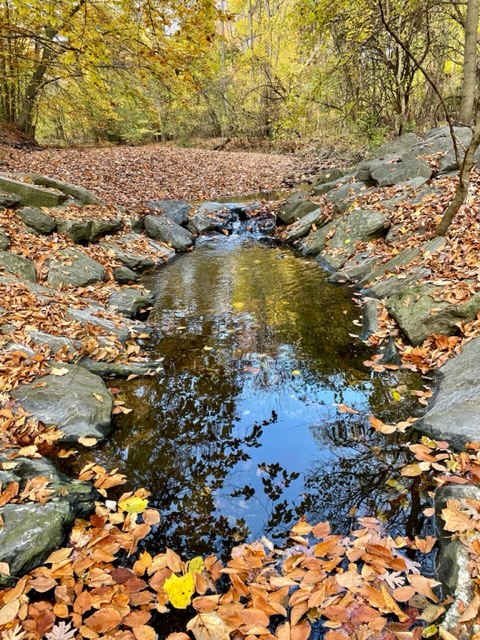
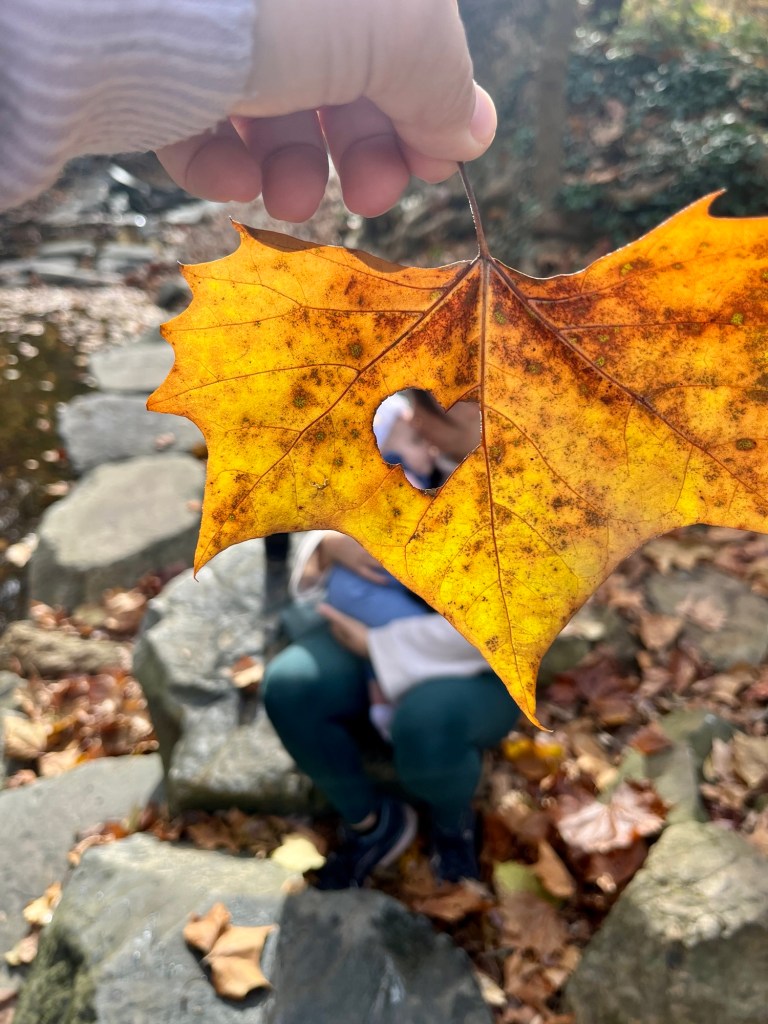
Undoubtedly, every visit to a natural setting unveils symbols of life and death, flourishing and fading. These aspects coexist, demonstrating interconnectedness, cycles, and phases. Whether the loss is connected to physical death, emotional absence, or a changed relationship, nature reflects this reality. The vivid autumn leaves, eggs nestled in a bird’s nest, or the vibrant wings of a butterfly act as reminders of beauty in times of bleakness and our inherent sense of belonging.

In conclusion, nature therapy holds the potential to address various challenges and amplify the healing process. By integrating the innate connection between human experience and the natural world, we can enhance our well-being on multiple levels.
Incorporating nature therapy into your journey of self-discovery and healing can be a transformative experience. The profound connection between our inner struggles and the natural world offers a unique avenue for growth. If any of the natural challenges mentioned in this post resonate with your current circumstances, consider taking that next step:
Reach out and explore nature therapy as a powerful tool for your well-being.
Whether you’re seeking solace in times of stress, navigating life changes, or coping with loss, nature therapy has the potential to guide you towards understanding, healing, and growth. Connect with a qualified therapist who specializes in nature-based approaches, or simply begin by spending more intentional time in natural settings.
Remember, seeking support is not a sign of weakness, but a courageous step towards embracing your own journey. You deserve the opportunity to thrive and find harmony amid life’s challenges.
Embrace the healing power of nature therapy today – your path to well-being awaits.