
Your heart races, your breath shortens, your stomach tightens—and suddenly, you’re on high alert, even if you’re simply sitting in your car or lying in bed. For those I work with in natural settings in Baltimore, Maryland, or through remote nature-integrated therapy, this experience is all too familiar. Anxiety doesn’t just live in the mind; it’s deeply rooted in the body. And the more we understand this, the more empowered we become to find effective, nature-based ways to manage it.
Your Body Is Responding to a Threat—Even When There Isn’t One
At the root of anxiety is a beautifully designed survival system—one that evolved to keep us safe. When your brain detects a threat (whether it’s an approaching bear or a looming work deadline), it sounds an internal alarm. This triggers a cascade of changes in your body, commonly known as the “fight-or-flight” response.
The brain’s amygdala fires off a signal that tells your body to prepare for action. Hormones like adrenaline and cortisol surge through your bloodstream, shifting your entire physiology toward survival mode. The problem? Modern stressors rarely require us to run or fight—but your body doesn’t know the difference.
Why You Feel It in Your Body
Each physical symptom you feel has a purpose rooted in survival:
- Pounding heart: More oxygenated blood is being pushed to your muscles so you can move quickly.
- Shallow breathing: Your lungs are trying to draw in more oxygen, preparing you for action—but this can lead to dizziness and shortness of breath.
- Tight muscles: Your body is bracing itself, ready to spring into motion. Over time, this tension can lead to aches and fatigue.
- Upset stomach: Digestion takes a back seat to survival. Blood flow shifts away from your gut to prioritize muscle and brain function.
- Sweating: Your body’s cooling system kicks in, anticipating exertion.
These sensations aren’t signs that something’s wrong with you—they’re signs that your nervous system is doing what it’s wired to do. The challenge is that this wiring is often activated when you don’t need it.
Nature’s Role in Nervous System Regulation
The autonomic nervous system—made up of the sympathetic (fight-or-flight) and parasympathetic (rest-and-digest) branches—runs this whole show. In nature-based therapy, we often focus on helping your nervous system shift from high alert back into a state of calm. Time in nature, even briefly, has been shown to reduce cortisol levels, slow the heart rate, and activate the parasympathetic nervous system.
In fact, research supports this: a 2019 study published in Frontiers in Psychology found that spending just 20 to 30 minutes immersed in a natural environment significantly lowered levels of the stress hormone cortisol. This effect was measurable using salivary biomarkers, offering clear biological evidence of how even brief time in nature can reduce stress and regulate the nervous system (Hunter, Gillespie, & Chen, 2019).
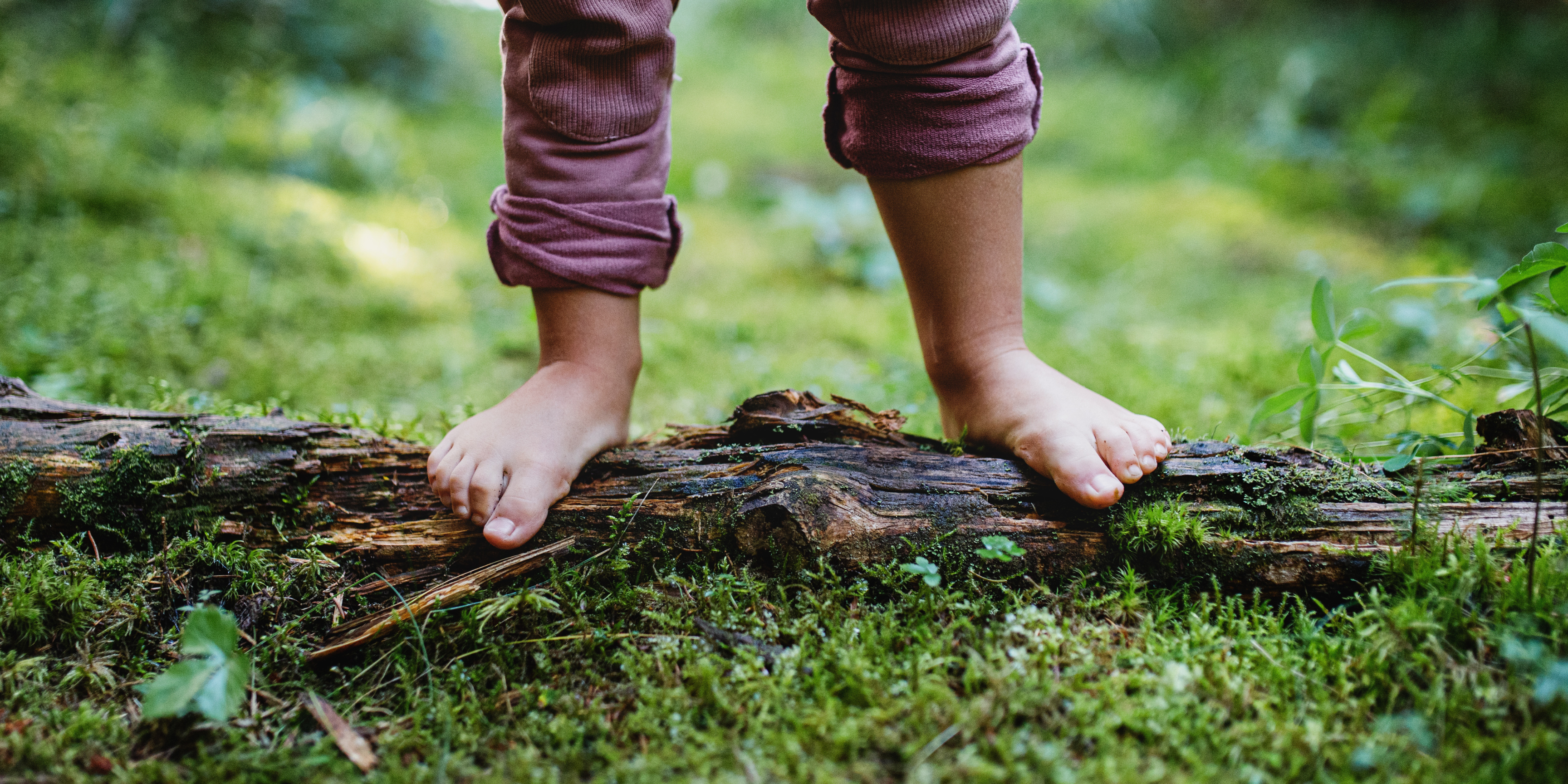
When we walk together outdoors, pause to notice a bird’s call, or practice breathwork with our feet in the soil, we’re sending powerful cues of safety to your brain. These aren’t just feel-good moments—they’re nervous system interventions.
Ways to Reconnect and Regulate Through Nature
You don’t need a remote forest or perfect conditions to access these benefits. Whether you’re working with me in the woods, on the beach, or integrating nature from your porch or city park, the key is consistency and intention. Some favorite ways to support regulation include:
- Grounding through the senses: Notice the feel of the breeze, the texture of bark, or the scent of pine. Sensory input from nature helps anchor you in the present moment.
- Nature-based breathing: Match your breath to the rhythm of waves or wind. Visualize exhaling stress into the earth and inhaling calm.
- Movement in nature: Gentle walks, stretching under a tree, or simply sitting outside allows your body to discharge tension and recalibrate.
- Nature-inspired mindfulness: Observing leaves falling, birds nesting, or the stillness of water helps you attune to the rhythms of the natural world—and your own.
When to Reach Out
If anxiety is interfering with your ability to show up in your relationships, your work, or your sense of self, support is available. Whether we meet in-person in a natural space or connect remotely with nature as our co-therapist, we can work together to restore harmony in your body and mind.
You are not broken. Your body is not betraying you. It is simply doing its best to protect you—with tools that need a little updating. By reconnecting with the natural world and learning how to gently soothe your nervous system, you can find steadier ground—both within and around you.
Let’s create your customized plan for healing and regulation. Schedule your free 15-minute consultation today at www.guidedinnature.com/request-your-free-consultation.
In Support,
Lauren, Founder & Therapist, Guided in Nature
Reference:
Hunter, M. R., Gillespie, B. W., & Chen, S. Y. (2019). Urban Nature Experiences Reduce Stress in the Context of Daily Life Based on Salivary Biomarkers. Frontiers in Psychology, 10, 722. https://doi.org/10.3389/fpsyg.2019.00722